GT-ORC Organic Rankine Cycle System
Convert low- and medium-temperature heat from hot water, steam, exhaust gas, or industrial processes into useful electricity.
40-1,000 kW ORC Power Generation Portfolio
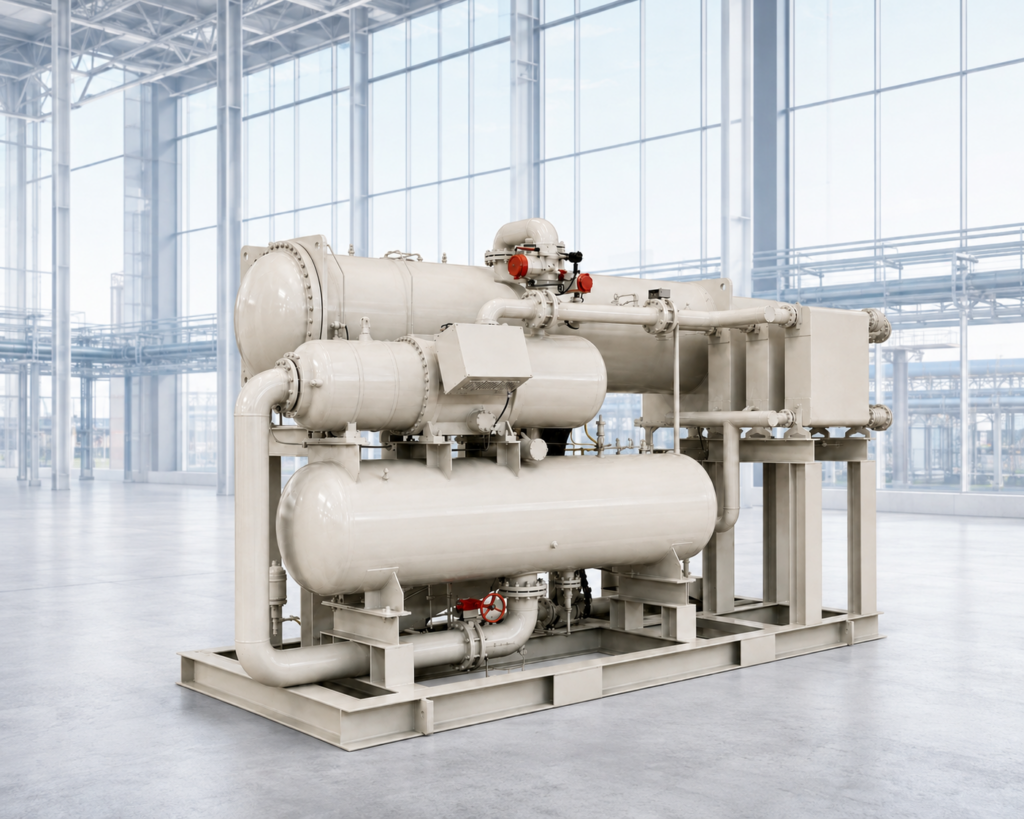
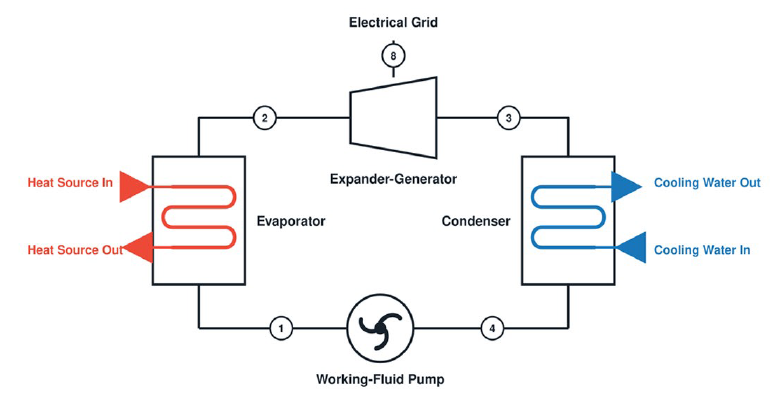
The GT-ORC system converts low- and medium-temperature waste heat into electricity through an Organic Rankine Cycle. A sealed working fluid absorbs heat, drives the generator, condenses, and recirculates continuously. Its closed-loop design provides stable performance, easy maintenance, and a long service life.
ORC Power Generation Process
- Fluid Pressurization: The pump pressurizes the low-pressure working fluid and delivers it to the evaporator.
- Heat Absorption: The fluid absorbs heat in the evaporator and enters the expander-generator as vapour.
- Power Generation: The high-pressure vapour drives the expander-generator to produce electricity.
- Condensation and Recirculation: The vapour releases heat, returns to a liquid state, and re-enters the pump to repeat the cycle.
Applications
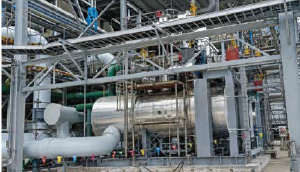
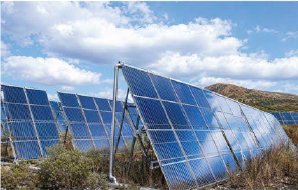
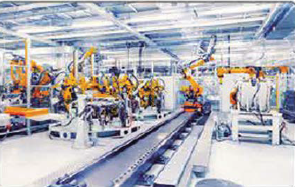
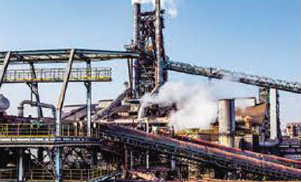
The GT-ORC system converts waste heat from industrial processes, engine exhaust, steam, hot water, solar thermal, biomass, and data centers into useful electricity.

Engine Exhaust

Solar Thermal

Process Waste Heat

Data Center

Steam & Hot Water

Biomas and Biogas
| PARAMETER | GT-40 | GT-80 | GT-160 | GT-300 |
| Working fluid | R134a | R134a | R134a | R134a |
| Rated output | 40 kW | 79 kW | 159 kW | 298 kW |
| Output range | 10–60 kW | 15–90 kW | 40–200 kW | 60–320 kW |
| Hot-water flow | 25 m³/h | 40 m³/h | 80 m³/h | 150 m³/h |
| Hot-water inlet | 95°C | 95°C | 95°C | 95°C |
| Cooling-water inlet | 25°C | 25°C | 25°C | 25°C |
| Dimensions L × W × H | 2200 × 1500 × 1800 | 2500 × 1800 × 2000 | 4000 × 2500 × 3000 | 6000 × 2800 × 3500 |
| Unit weight | 3,000 kg | 5,000 kg | 10,000 kg | 15,000 kg |
| Hot-water connection | DN32 | DN50 | DN80 | DN100 |
| Cooling connection | DN150 | DN200 | DN300 | DN400 |
| Communication | Modbus RTU | Modbus RTU | Modbus RTU | Modbus RTU |
- Working Fluid Pressurization
The pump increases the pressure of the liquid working fluid and delivers it to the evaporator. - Heat Absorption and Evaporation
The fluid absorbs heat from the available heat source, becomes vapour, and enters the expander-generator. - Expansion and Power Generation
The high-pressure vapour expands through the expander and drives the generator to produce electricity. - Condensation and Recirculation
The vapour releases heat in the condenser, returns to liquid form, and re-enters the pump to repeat the cycle.